Building for the Future: Why Circularity is the Competitive Edge
The built environment is one of the world’s largest consumers of raw materials and a primary source of carbon emissions. As we move through 2026, a massive shift is occurring: the transition from a “take-make-waste” model to a Circular Economy. For businesses in construction and infrastructure, understanding circularity isn’t just a sustainability “nice-to-have”. It’s a critical business requirement for winning contracts and ensuring long-term resilience.
But how do you turn complex circular theories into everyday workplace action? The answer lies in Carbon Literacy Training.
What Does Circularity Look Like in the Built Environment?
In a circular built environment, buildings are treated as “material banks”.
Instead of demolition, we focus on:
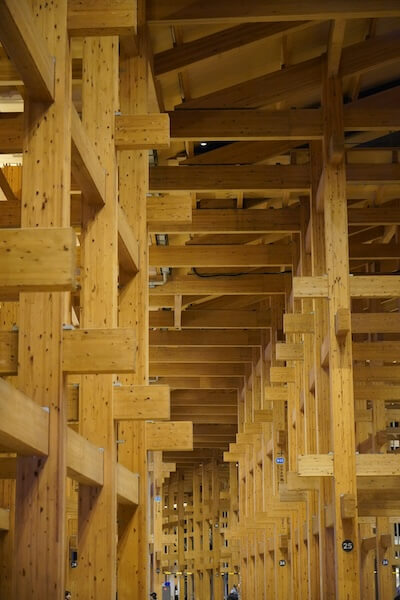
- Designing for Disassembly: Creating structures where components can be easily removed, reused, or repurposed at end of life.
- Material Selection: Prioritising regenerative materials, like sustainably sourced timber, which acts as a carbon store throughout the building’s life.
- Operational Efficiency: Reducing Scope 1 and 2 emissions through high-performance standards like Passivhaus and tackling “hidden” Scope 3 emissions in the supply chain.
The Bridge to Action: Carbon Literacy Project Training
You can have the best circular strategy in the world. It will only succeed though if your team understands the “why” and “how” behind it. Carbon Literacy Project training is an easy way to create this cultural shift.
Our sector-specific training for the built environment encourages your staff to:
- Identify Carbon Hotspots: Understand the lifecycle impact of materials, from extraction to end-of-life.
- Drive Innovation: Encourage “every job is a climate job” thinking. So architects, site managers, and procurement teams all contribute to carbon reduction.
- Ensure Compliance & Credibility: Meet the increasing demands of local authorities and private clients who now require evidence of Carbon Literacy to award contracts.
In each of our training courses we discuss circularity and of course encourage each participant to apply it to their particular situation and built environment.
Real-World Success: From Theory to Practice
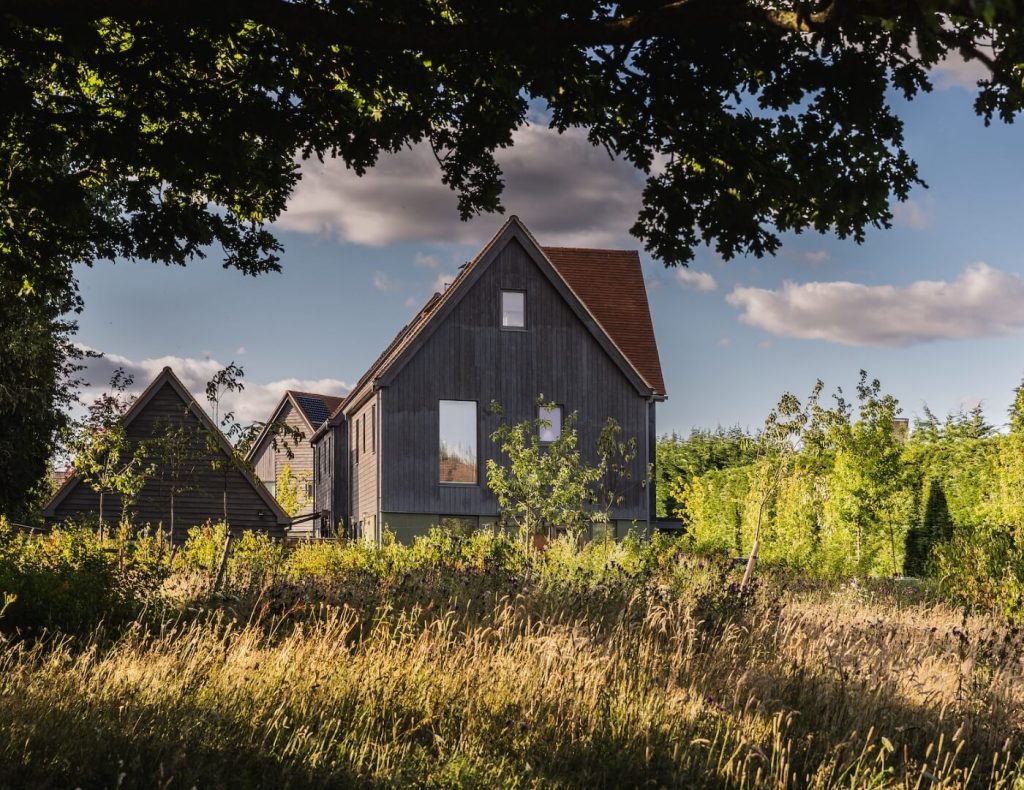
We’ve seen the impact of this training across the sector. For example, local authorities and businesses that have engaged in Carbon Literacy have successfully reduced materials and waste, transitioned their fleets to EVs, improved processes, and overhauled their procurement to favour circular suppliers.
These aren’t just “green” wins. They are operational wins that cut costs, reduce waste and improve brand reputation.
Get Your Team Certified Today
The path to a net-zero, circular built environment starts with a single day of high-quality, accredited learning. As a certified Carbon Literacy Project trainer, Lead With Sustainability provides the tools, case studies, and strategic insight your business needs to lead the transition.
Ready To Make An Impact?
Invest one day. Reap long-term rewards.
✅ Compliance ✅ Cost savings ✅ Retention ✅ Reputation
📌 Spaces fill quickly – reserve your place today